
Label Management Systems: What To Know

Before you can make a grand, successful transformation with your company’s labeling process, it’s important to know your options—learn more here.
Streamline Logistics With Automated Labels

Automated labeling can do wonders for a warehouse or business handling a large volume of inventory. We’re exploring how to streamline logistics.
The Hidden Costs of Poor Labeling Practices

Businesses know that product labeling is mandatory and getting it right is also nonnegotiable. The hidden costs of poor labeling are evident.
How To Scale Label Production With Software

Using software to make things easier sounds smart at first, but it’s important to know which software matters the most. Here’s it can scale label production.
The Role of QR Codes in FDA Label Audits
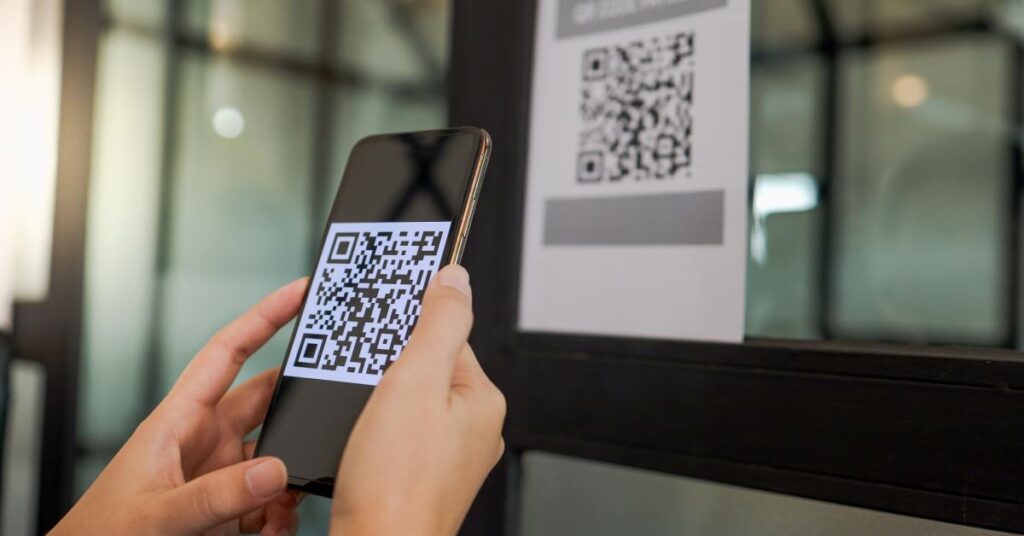
FDA label audits are an important part of ensuring compliance and regulatory standards. Using a QR code can streamline access to a wealth of information.
Simplifying Compliance With Label Software
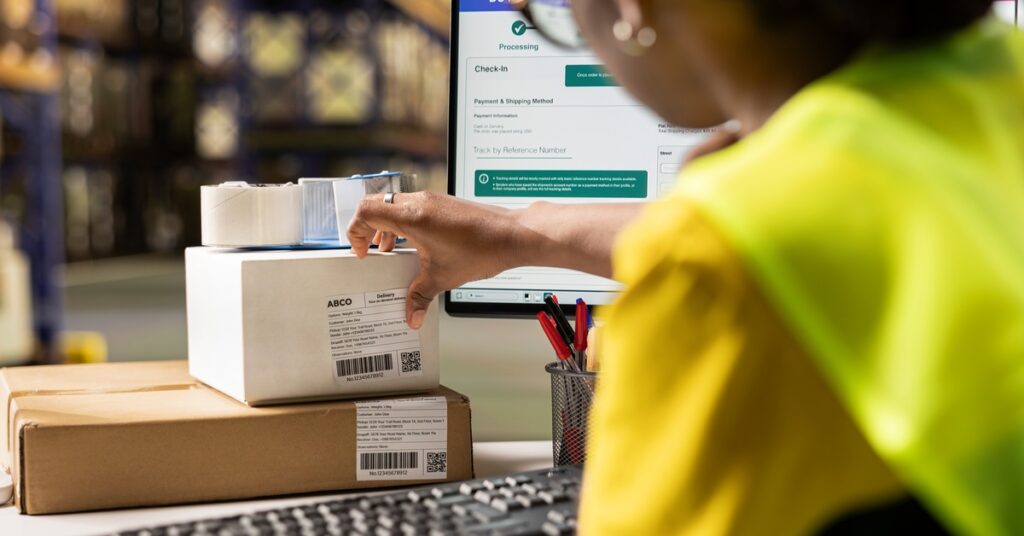
Maintaining compliance in your respective industry might feel like a never-ending battle. A simplified approach could be the solution—try label software.
How To Transition From Manual to Digital Labels
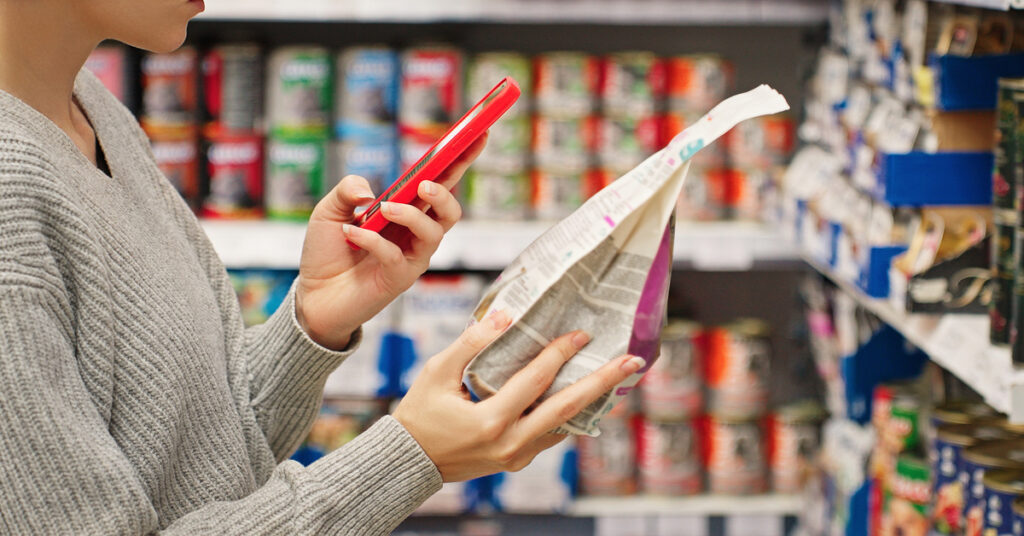
Taking your manual labels and turning them into a digital experience is no small feat. But we can help you make this transition without the hassles.
How QR Code Labeling Improves Customer Experience
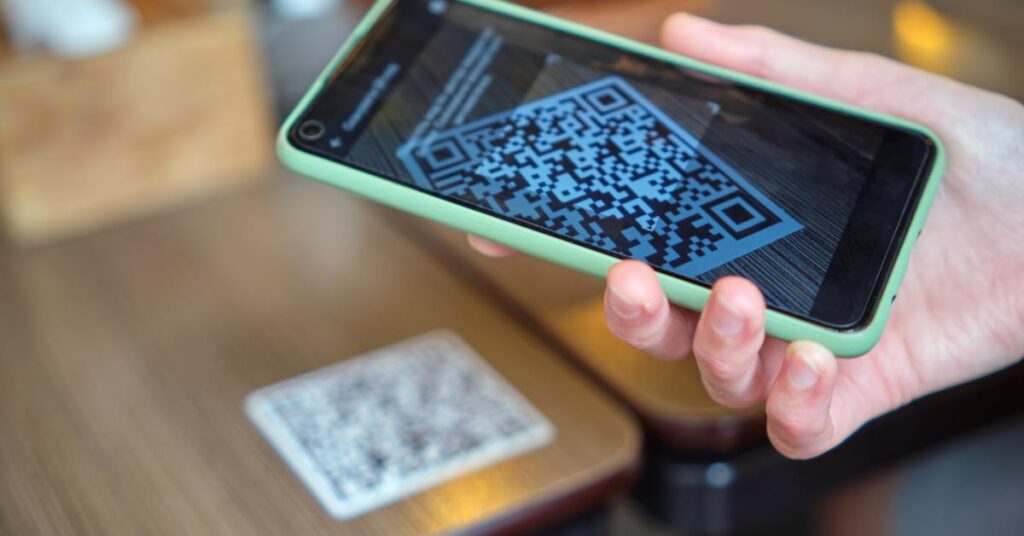
In modern commerce, a product’s label does more than just display a name and a price. It’s a direct line of communication between a brand and its customers. Integrating QR codes into product labeling transforms this static space into a dynamic, interactive gateway. This evolution significantly enhances how customers engage with products, providing them with immediate access to a wealth of information and interactive content that traditional packaging simply cannot offer. Leveraging QR codes on labels presents a powerful opportunity to build deeper customer relationships, foster brand loyalty, and deliver unparalleled value. From sharing detailed product origins to offering exclusive digital content, QR code labeling empowers companies to meet the growing consumer demand for transparency and engagement. By turning a simple scan into a meaningful interaction, brands create memorable experiences that extend far beyond the point of sale. Here’s an inside look into how QR code labeling improves customer experience tenfold. Offer Instant Access to Detailed Product Information A physical label has limited space, forcing brands to be selective about the information they share. QR codes simply eliminate this constraint. A quick scan can transport a customer to a digital landing page containing exhaustive details about a product. This might include comprehensive ingredient lists, sourcing information, nutritional facts, and allergy warnings. Moreover, this level of transparency builds trust, as it shows a brand’s commitment to openly sharing what goes into its products. Customers feel more confident in their purchasing decisions when they have all the necessary information readily available. Provide Step-By-Step Usage Guides and Tutorials Many products require specific instructions for assembly, use, or maintenance. Instead of printing dense, multi-language booklets, companies can link a QR code to engaging video tutorials or illustrated digital guides. For a new piece of furniture, a scan could lead to an animated assembly video. For a complex kitchen appliance, it could open a webpage with recipes and cleaning tips. This interactive guidance simplifies the user experience, reduces frustration, and ensures customers can use their products correctly and safely from the start. Enable Augmented Reality Experiences Augmented reality (AR) adds a layer of digital creativity to the physical world, and QR codes are the perfect key to unlock it. Brands are now using AR to create immersive experiences that captivate customers. For example, a wine bottle’s QR code could launch an AR experience where the winemaker appears to share the story of that specific vintage. A children’s toy box could have a QR code that brings the characters to life in the room through a smartphone screen. These unique, playful interactions create a wow factor that makes a product more memorable and shareable. Streamline Product Registration and Warranty Activation The traditional process of registering a product for a warranty—filling out a small card and mailing it in—is outdated and inconvenient. A QR code on the packaging can direct customers to a simple online registration form. You can set the form to pre-populate with the product’s model and serial number, requiring the customer to enter only their contact details. This frictionless process increases registration rates, which provides businesses with valuable customer data and ensures consumers can easily activate their warranty coverage. Create a Direct Channel for Customer Feedback Gathering customer feedback is important for product improvement and innovation. Placing a QR code on a product’s label that links directly to a feedback form or survey makes it incredibly easy for customers to share their thoughts. A proactive approach shows customers that you value their opinions and encourages them to provide immediate insights while their experience with the product is fresh. This direct line of communication helps businesses identify issues, gather testimonials, and understand customer needs more effectively. Deliver Exclusive Content and Promotions QR codes are a gateway to exclusive content and special offers that reward customers for their purchase. This might include: Access to a members-only digital community A discount on their next purchase Entry into a contest or giveaway A free digital download, like a recipe book or a workout plan This strategy adds immediate value to the purchase and incentivizes repeat business. By offering perks available only through the smart label QR code, brands create a sense of exclusivity and make customers feel appreciated. Facilitate Easy Reordering For consumable products, a QR code can simplify the reordering process. A scan could take a customer directly to the product’s page on an e-commerce site, with the item already in the shopping cart. This removes the friction of searching for the product online and streamlines the path to a repeat purchase. Convenience is particularly valuable for busy customers and can significantly improve retention rates for subscription-based services or regularly purchased items. Support Multilingual Communication Global brands often struggle to fit information in multiple languages onto a single package. A QR code elegantly solves this problem. It can automatically detect the language setting on the user’s smartphone and redirect them to a landing page in their native language. As such, this ensures that customers everywhere receive clear, accessible information, which improves the user experience and demonstrates a brand’s commitment to its international audience. Enhance Post-Sale Customer Support When a customer encounters a problem with a product, they need quick and easy access to support. A QR code can link directly to a comprehensive FAQ page, a customer support chat, or a service request form. Immediate access to resources reduces customer frustration and improves satisfaction. Instead of searching a website for contact information, the customer has a direct portal to the information they need, right on the product itself. Build Lasting Customer Relationships With QR Codes The integration of QR codes into product labeling represents a significant shift in how brands and consumers interact, ultimately improving this vital relationship. This technology transforms static packaging into an interactive and informative platform, providing value long after the initial purchase. By offering instant access to detailed information, engaging content, and seamless support, QR codes empower businesses to create superior customer experiences that foster trust, build loyalty, and drive growth. ScanLabelBuilder
QR Code-Enabled Labeling for Modern Brands
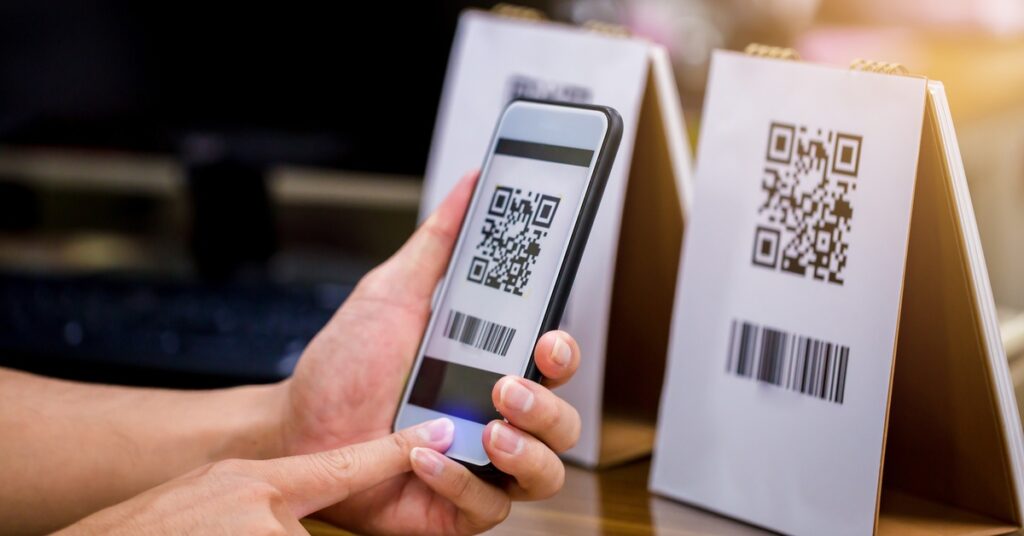
Product packaging has long served as a brand’s primary canvas for communicating with consumers at the point of sale. However, the limited space on a label presents a significant challenge. Brands must now balance regulatory requirements, ingredient lists, usage instructions, and marketing messages, which often leaves very little room for deeper engagement. This is where QR codes are fundamentally changing the landscape of product interaction. The modern consumer is more curious and discerning than ever, seeking transparency, authenticity, and a direct connection with the brands they support. They want to know the story behind a product, its environmental impact, and detailed nutritional information that may not fit on a small, printed label. QR codes bridge this gap between physical products and the vast world of digital information, transforming static packaging into a dynamic gateway for content and interaction. Let’s get into more detail about QR code-enabled labeling for modern brands and why it’s time for your business to invest. What Are QR Codes? So what exactly is a QR code? Quick Response (QR) codes are two-dimensional barcodes that can store a significant amount of information. Unlike traditional one-dimensional barcodes that hold limited data and require specific scanners, QR codes are easy to scan with any modern smartphone camera. This accessibility makes them a highly effective tool for connecting consumers from a physical product to a digital experience instantly. They can embed various types of data, including URLs, text, contact information, and more, offering a versatile solution for information sharing. How Do QR Codes Enhance Product Labels? QR codes transform product labels from static displays of information into interactive platforms. By placing a QR code on a label, brands can provide consumers with direct access to an expanded digital space. This allows for the inclusion of detailed content that would be impossible to fit on a physical package. For example, a food product could link to a webpage with extensive nutritional data, allergy warnings, and serving suggestions. This enhancement enriches the customer experience by providing valuable, on-demand information. What Information Can QR Codes Provide? The versatility of QR codes allows brands to link to a wide array of digital content. A single scan can direct consumers to a wealth of information, empowering them to make more informed purchasing decisions. This content can outline details, such as: Detailed Product Information: Provide comprehensive ingredient lists, sourcing details, and manufacturing processes. Instructional Videos: Show customers how to assemble, use, or style a product through engaging video tutorials. Customer Reviews and Testimonials: Build trust by showcasing authentic feedback from other users. Promotional Offers: Offer exclusive discounts, coupons, or access to loyalty programs to reward customers. Brand Storytelling: Share your company’s mission, values, and the story behind the product to build a deeper connection. How Do Brands Create and Manage QR Codes? Creating and managing QR codes is a straightforward process with the right tools. Specialized software platforms allow businesses to generate custom QR codes that align with their branding. These platforms often provide features for tracking scan data, which offers insights into consumer engagement. Dynamic QR codes are particularly valuable, as they allow the linked content to be updated without changing the physical QR code on the packaging. This flexibility is pivotal for running timely marketing campaigns or updating product information in real-time. Why Is QR Code-Enabled Labeling Important? In a competitive market, QR code-enabled labeling offers a distinct advantage by creating a richer, more engaging customer experience. It allows brands to meet the growing consumer demand for transparency and detailed information. A direct line of communication builds trust and loyalty, as consumers feel more connected to the brands they purchase from. Furthermore, the ability to deliver targeted content and promotions through a simple scan makes it a powerful marketing tool. What Are the Benefits for Consumers? For consumers, QR codes provide instant access to the information they need to make confident purchasing decisions. They no longer have to search online for product details or reviews; the information is available with a quick scan of their smartphone. A QR code’s convenience enhances the shopping experience, offering transparency and a wealth of knowledge at their fingertips. Whether it’s verifying a product’s authenticity or accessing a how-to guide, QR codes empower consumers with valuable, relevant content. How Can QR Codes Improve Brand Transparency? Transparency is an important factor in building consumer trust. QR codes offer a direct and effective way for brands to be more transparent about their products and practices. By linking to detailed information about the supply chain, sourcing of materials, and ethical standards, companies can demonstrate their commitment to authenticity. For example, a coffee brand could use a QR code to show the journey of its beans from the farm to the cup, complete with information about the farmers and the region. How Do QR Codes Support Marketing Efforts? QR codes are a versatile marketing tool that can drive engagement and sales. Brands can use them to launch interactive campaigns, such as contests, giveaways, or exclusive content reveals. By linking QR codes to social media profiles or newsletter sign-up pages, companies can grow their online community and build a direct channel of communication with their customers. The data collected from QR code scans also provides valuable insights into consumer behavior, which refines marketing strategies. What Is the Future of QR Codes in Labeling? The role of QR codes in product labeling is set to expand even further. As technologies like augmented reality (AR) become more mainstream, QR codes will serve as triggers for immersive AR experiences. Imagine scanning a wine bottle and seeing a virtual sommelier appear to describe its tasting notes. This fusion of physical and digital worlds will create even more engaging and memorable brand interactions, further solidifying the QR code’s place as a cornerstone of modern product packaging. The Future Is Interactive The integration of QR codes into product labeling represents a significant leap forward in how modern brands communicate with their customers. It transforms packaging from a simple container
From Bottlenecks to Breakthroughs: A Packaging Company’s Digital Transformation
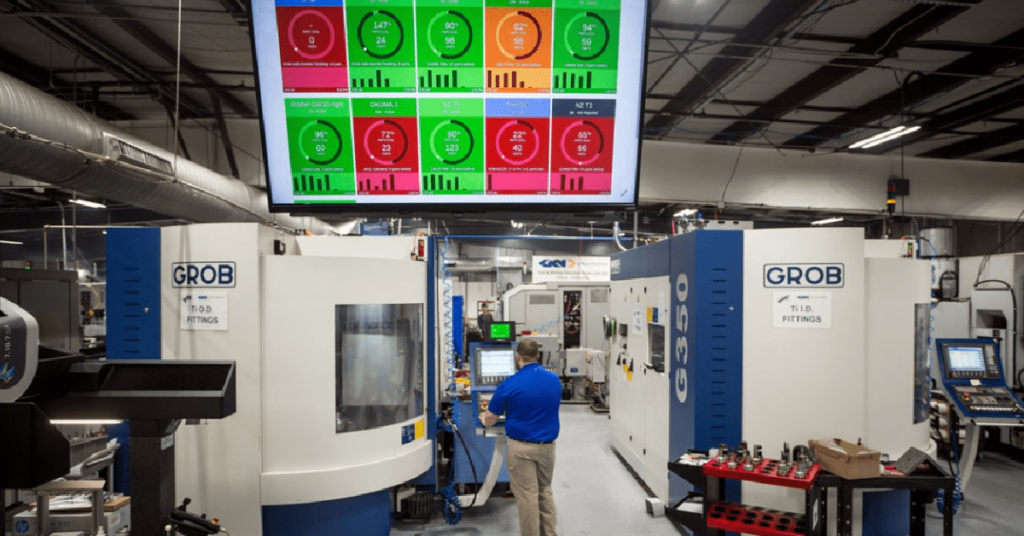
Product packaging company boosted It’s Efficiency and doubled its turnover by By Implementing a new software solution. By this process they streamlined inventory management, sales and purchasing adding significant growth and expansion.