

Product labeling is often the final checkbox in the manufacturing and supply chain process—a necessary step to move goods from the warehouse to the consumer. However, this perspective overlooks the profound influence that accurate, compliant, and efficient labeling has on the overall health of a business. When organizations undervalue the importance of their labeling systems, they expose themselves to significant financial, operational, and reputational risks.
The costs associated with poor labeling practices extend far beyond the price of the sticky paper or ink used. They ripple through the entire supply chain, affecting everything from inventory management to consumer safety. For businesses operating in regulated industries like food and beverage, pharmaceuticals, or electronics, the stakes are even higher. A single error can trigger a cascade of consequences that results in massive financial losses and legal liabilities. Read on to learn even more about the hidden costs of poor labeling practices and how ScanLabelBuilder can help a business just like yours.
Recalls Drain Financial Resources
The most immediate and severe financial impact of labeling errors is a product recall. Mislabeling is a leading cause of recalls across the globe, particularly in the food and pharmaceutical sectors. When a label fails to declare an allergen, lists incorrect dosage instructions, or displays the wrong expiration date, the product becomes a liability.
Recalls involve direct costs such as notifying the public, transporting returned goods, destroying defective products, and managing the logistics of replacing them. These activities drain liquid capital rapidly. Furthermore, the operational disruption caused by a recall forces teams to divert attention from revenue-generating activities to crisis management, compounding the financial loss.
Regulatory Fines Damage Profitability
Government bodies enforce strict regulations to ensure consumer safety and fair trade. Agencies such as the FDA, USDA, and OSHA maintain rigorous standards for what must appear on a product label. Failure to meet these standards results in substantial fines and penalties.
For example, if a chemical manufacturer fails to adhere to GHS (Globally Harmonized System) standards, they face penalties per violation. In the food industry, undeclared ingredients lead to immediate regulatory action. These fines cut directly into net profitability. Consistent noncompliance can even lead to the suspension of operating licenses, effectively halting business altogether.
Supply Chain Bottlenecks Slow Production
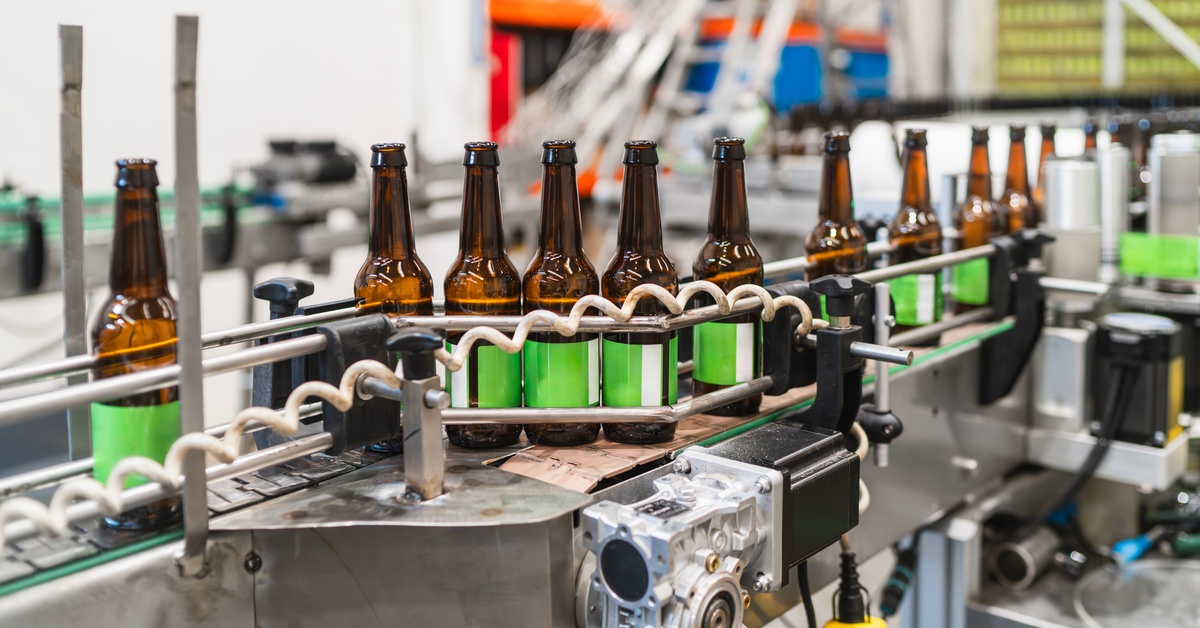
Inefficient labeling processes create friction within the supply chain. When labels are hard to read, scan, or verify, automated systems fail. This forces warehouse staff to intervene manually, which slows down the movement of goods.
In a high-speed logistics environment, every second counts. If a barcode is unreadable because of poor print quality or improper placement, the entire sorting line may stop. These micro-stoppages accumulate over time, resulting in significant delays in fulfillment. Bottlenecks prevent products from reaching retailers on schedule, leading to stockouts and lost sales opportunities.
Brand Reputation Suffers Long-Term Damage
Consumer trust is difficult to build and easy to lose. When a customer purchases a product with a misleading, peeling, or incorrect label, their perception of the brand diminishes. In the age of social media, a single photo of a labeling error can go viral, causing reputational damage that lasts far longer than the initial incident.
If the labeling error involves a safety issue, such as an undeclared allergen, the breach of trust is profound. Consumers rely on labels to make safe choices for themselves and their families. Violating that trust drives customers to competitors, and winning them back requires significant marketing investment.
Counterfeiting Exploits Weak Security
Poor quality or simplistic labels make it easier for bad actors to counterfeit products. If a brand uses generic labeling without security features or unique identifiers, counterfeiters can replicate the packaging with ease.
Counterfeit goods dilute market share and can pose serious safety risks to consumers, for which the original brand could bear the blame. Advanced labeling strategies, such as serialized barcodes or QR code-enabled labeling, provide a layer of authentication that protects brand integrity. Without these measures, companies leave their revenue streams vulnerable to theft and their brand equity open to erosion.
Manual Labor Increases Operational Overhead
Many organizations still rely on manual data entry or fragmented software solutions for their labeling. This approach is labor-intensive and prone to human error. Every minute an employee spends manually typing data into a label template is a minute not spent on higher-value tasks.
Furthermore, fixing errors caused by manual entry requires rework. Relabeling thousands of units because of a typo is an expensive, time-consuming process that requires additional labor hours and material costs. Automating these processes eliminates these inefficiencies and reduces the overhead associated with label production.
Lack of Traceability Increases Liability
In the event of a quality control issue, traceability is essential. A company must be able to track a specific batch of products from raw material to the end consumer. This capability relies entirely on accurate labeling at every stage of production.
If labeling practices are poor, the data trail breaks. After discovering a defect, the company cannot isolate the affected batch. Instead of recalling a specific lot, they must recall a much larger quantity of product to ensure safety. This inability to surgically remove defective products increases the scope and cost of liability claims.
Sustainability Goals Become Unreachable
Modern consumers and investors increasingly prioritize sustainability. Poor labeling practices contribute to environmental waste in several ways, including:
- Material Waste: Reprinting erroneous labels consumes paper, ink, and adhesives unnecessarily.
- Product Waste: If a product is mislabeled and cannot be sold, the product itself often ends up in a landfill.
- Energy Waste: The reverse logistics required to return and process rejected shipments consume fuel and energy.

Missed Opportunities for Consumer Engagement
A label is prime real estate for communicating with the customer. Poor labeling practices often result in cluttered, confusing designs that fail to convey value. By treating the label solely as a compliance requirement, businesses miss the opportunity to deepen the customer relationship.
Smart labels allow brands to extend the digital experience. A well-placed scan can lead a user to instructional videos, sustainability certifications, or loyalty programs. Ignoring this potential means leaving engagement and potential upsell opportunities on the table.
The hidden costs of poor labeling practices are pervasive and punishing. They manifest as regulatory fines, operational bottlenecks, wasted materials, and diminished brand equity. However, these costs are avoidable.
By viewing labeling as a strategic operational asset rather than a mere supply chain necessity, organizations can implement systems that ensure accuracy, compliance, and efficiency. ScanLabelBuilder can help you implement a better labeling strategy to see the success your business needs to thrive.