
The shift from manual to digital processes is reshaping industries, and product labeling is leading the way. While manual labeling had its purpose for decades, it presents significant limitations in accuracy, efficiency, and scalability. Digital labeling systems offer a transformative solution, enabling businesses to streamline operations, ensure compliance, and adapt to market demands with agility. Navigating this transition is the first step toward modernizing your product information management.
This transition demands a strategic overhaul of existing workflows. By replacing outdated, error-prone manual methods with a centralized digital platform, organizations can achieve a higher standard of operational excellence. The following guide explores how to transition from manual to digital labels and how ScanLabelBuilder can help.
Assess Your Current Labeling Process
Before any transition, you must conduct a thorough audit of your existing manual labeling system. Document every step, from initial data entry and design to printing and application.
Identify the pain points, such as the time spent on manual data input, the frequency of human error, and the costs associated with label reprints. This assessment provides a clear baseline and builds a business case for digitalization by quantifying the inefficiencies of the current process.
Define Your Labeling Requirements
Once you understand your current system’s weaknesses, you can define the requirements for a new digital solution. Consider the types of labels you need, the regulatory standards you must meet, and the specific data that must be included.
Think about scalability—will the system support future growth and new product lines? This stage is critical for selecting a digital labeling platform that aligns with your immediate needs and long-term business objectives.
Choose the Right Digital Labeling Software
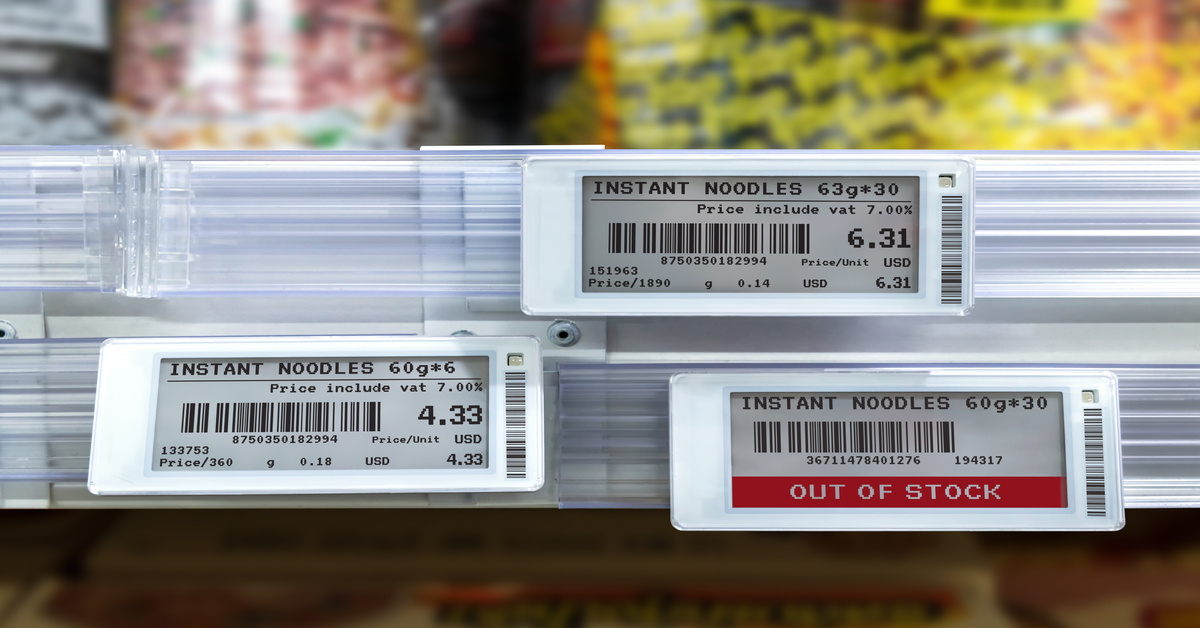
Selecting the appropriate software is the most important decision in this transition. Look for a solution that offers a centralized database for all label data, ensuring a single source of truth. Key features to consider include:
- User-friendly design templates that allow for easy customization.
- Integration capabilities with your existing enterprise resource planning (ERP) and product lifecycle management (PLM) systems.
- Automated workflows that reduce manual intervention.
- Comprehensive compliance features to meet industry-specific regulations.
A strong, reliable software solution will serve as the foundation of your new, efficient labeling ecosystem.
Plan the Data Migration Strategy
Moving your product data from disparate sources like spreadsheets and local documents into a centralized digital system requires careful planning. Start by cleaning and standardizing your existing data to make sure it’s accurate and consistent.
Develop a phased migration plan to minimize disruption. You might begin with a single product line or department before rolling out the system across the entire organization. A well-executed data migration is integral for the integrity of your new digital labeling process.
Design Standardized Label Templates
With your data centralized, the next step is to create standardized label templates. A quality digital labeling platform provides tools to design templates that automatically populate with data from your central database.
As such, this eliminates the need to create new labels from scratch for each product variation. By standardizing templates, you support brand consistency, compliance, and accuracy across all your products, while significantly speeding up the label creation process.
Integrate With Your Existing Systems
To maximize efficiency, your digital labeling software must integrate seamlessly with other business-critical systems. Connecting your labeling platform to your ERP or PLM system allows for the automatic flow of product data, eliminating redundant data entry and reducing the risk of errors. This integration creates a connected ecosystem where you can share information in real-time, ensuring that your labels always reflect the most current product information.

Train Your Team on the New Process
Technology is only as effective as the people who use it. Provide comprehensive training to all employees involved in the labeling process, from data managers to production line workers.
The training should cover how to use the new software, understand the automated workflows, and troubleshoot common issues. A well-trained team will embrace the new system more quickly, leading to a smoother transition and faster realization of benefits.
Implement a Phased Rollout
A “big bang” approach to implementation is relatively risky and disruptive. Instead, opt for a phased rollout. Begin with a pilot program for a specific product line or facility to test the new system in a controlled environment.
A phased rollout allows you to identify and resolve any issues before a full-scale deployment. A phased approach also minimizes risk and builds momentum as teams see the positive impact of the new digital process.
Monitor and Optimize the System
After implementation, your work is not done. Continuously monitor the performance of your new digital labeling system. Track key metrics, such as label accuracy, printing speed, and error rates. Gather feedback from users to identify opportunities for further optimization.
For instance, incorporating a QR code for product information on your labels can enhance customer engagement and provide valuable data. Regular monitoring ensures the system continues to meet your business needs and deliver a strong return on investment.
Establish a Governance and Maintenance Plan
To support the long-term success of your digital labeling system, establish clear governance and maintenance protocols. Define roles and responsibilities for managing label data, approving new templates, and overseeing system updates.
A formal governance structure prevents data silos from re-emerging and ensures that your labeling process remains standardized and compliant. Regular maintenance and updates will keep the system secure and functioning optimally.
Modernize Your Labeling Operations
Transitioning from manual to digital labels is a strategic move that delivers substantial benefits in efficiency, accuracy, and compliance. By systematically assessing your current processes, choosing the right software, and managing the implementation carefully, your organization can successfully navigate this transformation.
The result is a modernized, agile labeling system that supports business growth and provides a competitive advantage. Adopting a digital approach is no longer an option but a necessity for businesses looking to thrive. For a partner you can rely on in making this transition as easy and straightforward as possible, reach out to the team at ScanLabelBuilder. We use tried and tested generation processes to create comprehensive and end-user friendly QR codes and labels.